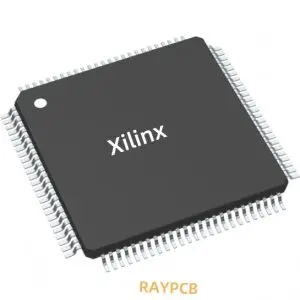
The XC3S1000L-4FG676C is a cutting-edge field-programmable gate array (FPGA) from Xilinx’s Spartan-3L family, designed to deliver exceptional performance while maintaining ultra-low power consumption. This versatile programmable logic device offers developers the perfect balance of functionality, cost-effectiveness, and energy efficiency for a wide range of embedded applications.
Product Specifications
The XC3S1000L-4FG676C features robust technical specifications that make it ideal for demanding digital design projects. This FPGA incorporates 1,000,000 system gates with 17,280 logic cells, providing ample resources for complex digital implementations. The device operates at a -4 speed grade, ensuring reliable performance across various operating conditions.
Key specifications of the XC3S1000L-4FG676C include a 676-pin Fine-Pitch Ball Grid Array (FBGA) package, offering excellent I/O density and thermal performance. The device supports multiple I/O standards including LVTTL, LVCMOS, SSTL, and differential signaling options. With 556 user I/O pins available, designers have maximum flexibility for interfacing with external components and systems.
The XC3S1000L-4FG676C operates across an extended temperature range, making it suitable for industrial and automotive applications. Built-in features include distributed RAM, block RAM resources totaling 432 Kb, and 24 dedicated multipliers for efficient DSP operations. The device supports both JTAG and configuration memory interfaces for seamless programming and debugging.
Price
Pricing for the XC3S1000L-4FG676C varies based on order quantity, supplier, and current market conditions. Typical pricing ranges from $45 to $85 per unit for standard commercial quantities, with volume discounts available for larger orders. Educational institutions and qualifying customers may be eligible for special pricing programs.
Factors affecting XC3S1000L-4FG676C pricing include packaging options, temperature grades, and supply chain availability. For the most current pricing information and volume quotes, contact authorized Xilinx distributors or visit official supplier websites. Many distributors offer competitive pricing, expedited shipping, and technical support services.
Documents & Media
Comprehensive documentation is available for the XC3S1000L-4FG676C to support design and implementation efforts. The official Spartan-3L FPGA Family Data Sheet provides detailed electrical characteristics, timing specifications, and configuration information. Additional resources include the Spartan-3L FPGA Family Complete Data Sheet covering all family variants.
Application notes specific to the XC3S1000L-4FG676C address common design challenges including power optimization techniques, I/O planning strategies, and thermal management considerations. Package information documents detail mechanical specifications, ball assignments, and PCB design guidelines for the FG676 package.
Development tool documentation includes ISE Design Suite user guides, constraint file templates, and example designs. Video tutorials and webinars demonstrate best practices for XC3S1000L-4FG676C implementation, covering topics from initial design entry through final bitstream generation and device programming.
Related Resources
The XC3S1000L-4FG676C ecosystem includes comprehensive development tools and support resources. Xilinx ISE Design Suite provides the primary development environment, featuring synthesis, implementation, and simulation capabilities optimized for Spartan-3L devices. The software includes device-specific libraries and IP cores to accelerate development.
Evaluation boards and development kits featuring the XC3S1000L-4FG676C enable rapid prototyping and concept validation. These platforms include essential peripherals, programming interfaces, and example projects to jumpstart development efforts. Third-party development boards offer additional options with specialized features and interfaces.
IP core libraries compatible with the XC3S1000L-4FG676C include communication protocols, signal processing functions, and interface controllers. Popular cores include Ethernet MAC, USB controllers, DDR memory interfaces, and various DSP algorithms optimized for Spartan-3L architecture.
Technical support resources include online forums, knowledge base articles, and direct engineering support channels. Training materials cover FPGA design fundamentals, advanced implementation techniques, and XC3S1000L-4FG676C-specific optimization strategies.
Environmental & Export Classifications
The XC3S1000L-4FG676C complies with international environmental standards and regulations. The device meets RoHS (Restriction of Hazardous Substances) requirements, ensuring minimal environmental impact through restricted use of lead, mercury, and other hazardous materials. Manufacturing processes follow ISO 14001 environmental management standards.
Temperature ratings for the XC3S1000L-4FG676C span commercial (0°C to +85°C) and industrial (-40°C to +100°C) ranges, depending on the specific ordering code variant. The device demonstrates excellent reliability across temperature extremes while maintaining specified performance characteristics.
Export classification information indicates the XC3S1000L-4FG676C falls under standard export control regulations. The device carries ECCN (Export Control Classification Number) designation 3A001.a.7, requiring compliance with applicable export administration regulations for international shipments.
Environmental testing certifications include moisture sensitivity level ratings, electrostatic discharge protection specifications, and latch-up immunity characteristics. The XC3S1000L-4FG676C demonstrates robust performance in challenging environmental conditions, making it suitable for aerospace, automotive, and industrial applications requiring high reliability standards.
Package materials used in the XC3S1000L-4FG676C construction are halogen-free and comply with JEDEC standards for moisture sensitivity and thermal cycling. End-of-life recycling programs ensure responsible disposal and material recovery when devices reach end-of-service life.