Month: May 2024

What is Radiation Loss and How Does it Affect PCB Circuit Performance?

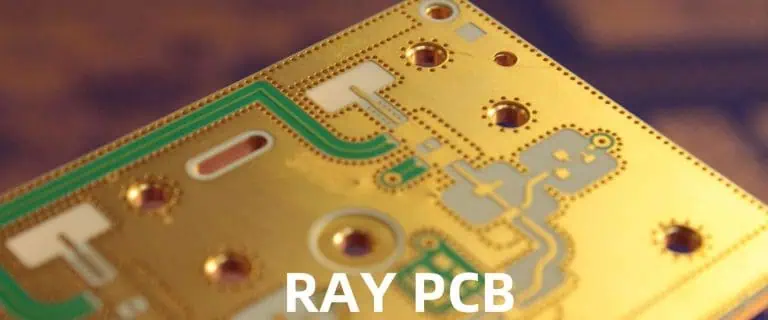
In the realm of printed circuit board (PCB) design and manufacturing, radiation loss is a phenomenon that can significantly impact the performance and efficiency of electronic circuits. As electronic devices become more compact and operate at higher frequencies, the effects of radiation loss become increasingly relevant. This comprehensive article aims to provide a deep understanding […]

Read article
How to design a minimalistic PCB for the new Raspberry Pi RP2040 microcontroller (MCU) including a buck (step-down) converter

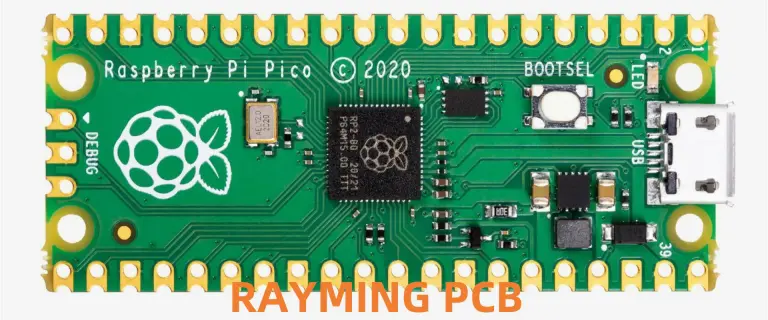
The Raspberry Pi RP2040 microcontroller (MCU) has gained popularity among hobbyists and professionals alike due to its affordability and versatility. Designing a minimalistic printed circuit board (PCB) for this MCU can be a daunting task, especially when incorporating a buck (step-down) converter for efficient power management. In this comprehensive article, we will explore the step-by-step […]

Read article

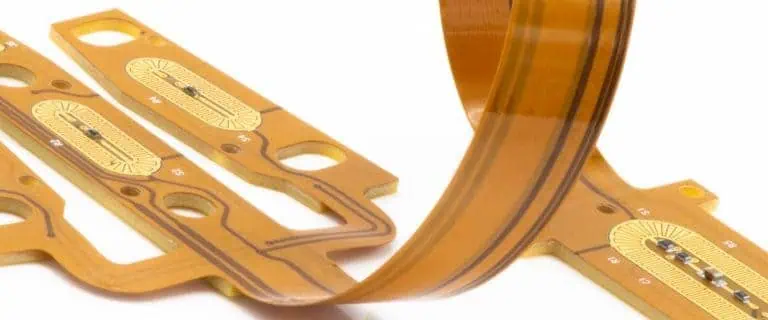
45 FPC Design Skills with Detailed graphics – Engineers Must Read | RAYPCB

RAYPCB · ENGINEERING GUIDEFPC Design Checklist: Close the Gaps Before FabricationAn FPC design checklist should find mismatches between electrical intent, mechanical installation and manufacturing data. It is most useful near release, when the outline and routing exist but assumptions about bends, tail orientation, local supports…

Read article

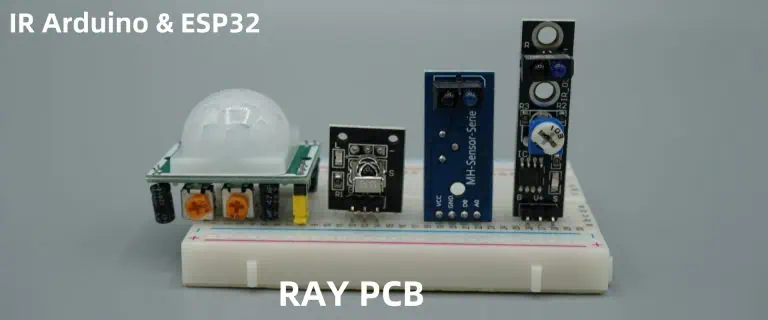
How to Use Arduino & ESP32 to Design Infrared Remotes and Receivers – Ultimate Guide

Infrared (IR) communication is a ubiquitous technology that has become an integral part of our daily lives. From remote controls for TVs, air conditioners, and home entertainment systems to wireless data transfer between devices, IR technology plays a crucial role. In this comprehensive guide, we will explore how to use Arduino and ESP32 boards to […]

Read article

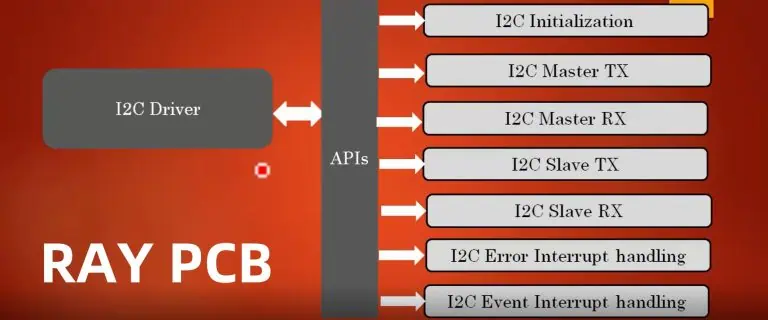
How To Write A Driver for Hardware (STM32, I2C, Datasheet)

Writing drivers is a crucial aspect of embedded systems development, enabling communication between hardware devices and the software running on the microcontroller. In this article, we will delve into the process of writing a driver for an I2C (Inter-Integrated Circuit) peripheral device on the STM32 microcontroller, using the device’s datasheet as a reference. Understanding the […]

Read article

Deployment of EMC-Compliant IC Chip Techniques in Design for Hardware Security

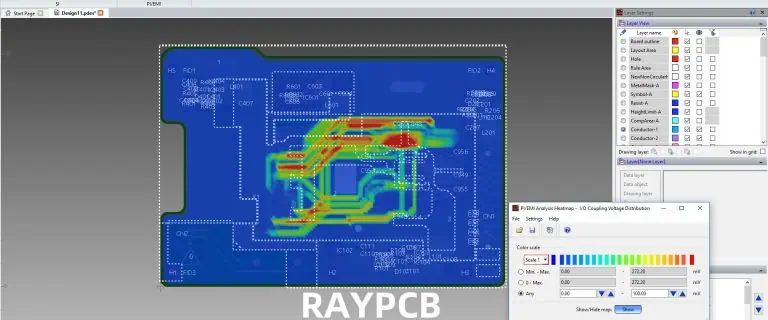
RAYPCB · ENGINEERING GUIDEIC-Level EMC Design: Control Edges, Pin Currents and Local ReturnsIC-level EMC design begins with the device's electrical behavior and how it connects to the PCB. Edge rate, simultaneous switching, supply current, pin assignment and return paths can matter more than the nominal…

Read article

STM32 DSP Real-Time Impulse Response Simulation in Software

In the field of digital signal processing (DSP), it is often necessary to simulate and analyze the behavior of various systems and algorithms. One important technique in this domain is the impulse response simulation, which involves observing the output of a system when subjected to an impulse input. This article will explore the implementation of real-time impulse response […]

Read article

How to Reduce Ripple of Switching Power Supply?

In the realm of power electronics, switching power supplies are widely utilized due to their high efficiency and compact design. However, one of the inherent challenges associated with these power supplies is the presence of ripple, which can adversely affect the performance and reliability of the system. Ripple refers to the unwanted alternating current (AC) component superimposed […]

Read article

What are the Benefits of Using Hybrid PCBs in High-Frequency Applications?

In an RF stackup, a hybrid PCB uses different dielectric material systems within one board. For example, selected high-frequency circuit layers can use an RF laminate while other layers use an epoxy-glass material. This is distinct from a flexible circuit or rigid-flex construction: mixing laminates does not make a board bendable. Define the hybrid construction […]

Read article

How to Use PICkit 3 Programmer/Debugger (Review & Guide)

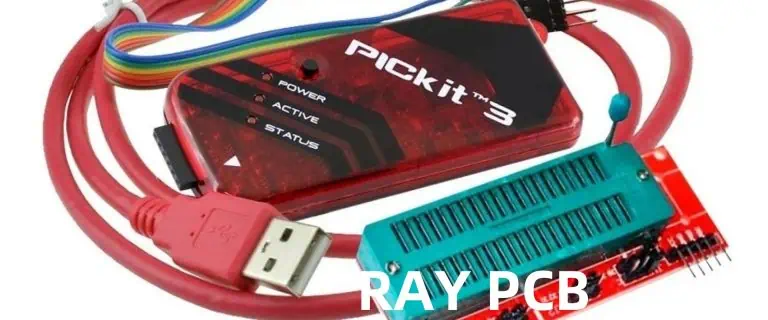
The PICkit 3 is a versatile and powerful programmer/debugger tool designed by Microchip Technology for their PIC microcontrollers. It is a popular choice among hobbyists, students, and professionals alike for its ease of use, affordability, and robust feature set. In this comprehensive guide, we will explore the ins and outs of the PICkit 3, covering […]

Read article