Month: March 2019

How Do You Design a Power Supply?

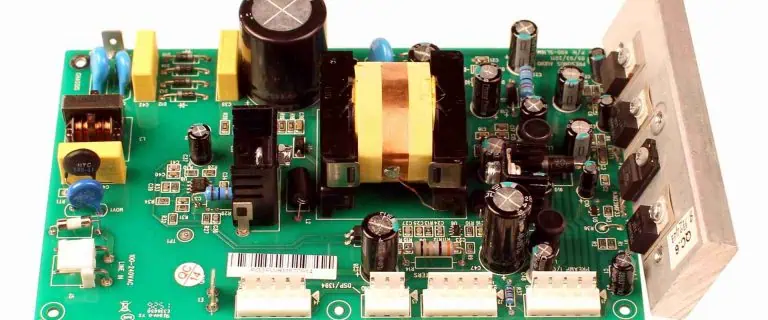
RAYPCB · ENGINEERING GUIDEPCB Power Supply Layout: A Topology-Specific Review Before ReleasePCB power supply design becomes a layout task when the schematic's current paths must fit real packages, layers and return connections. The most useful review starts from the converter topology and the exact controller…

Read article

The Ceramic PCB Manufacturing Process: Step by Step

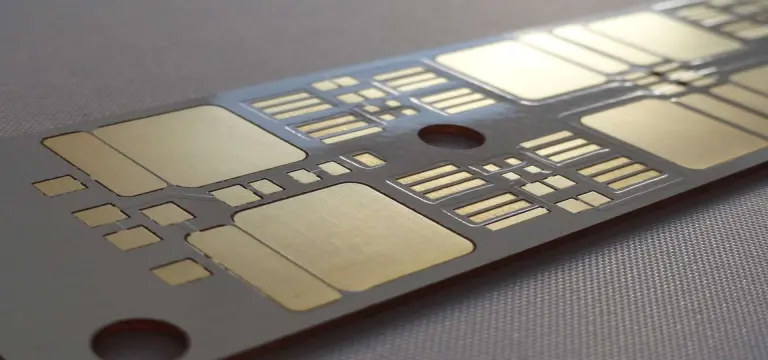
PCB Manufacturing / Ceramic PCBRAYPCB · PROCESS ENGINEERINGCeramic PCB manufacturing process: choose the circuit-forming routeCompare thin film, thick film, bonded copper and co-fired ceramic routes. Follow their distinct process gates and prepare a drawing that matches the selected construction.Discuss your ceramic processOpen the interactive guideBring…

Read article

What is a High-Frequency Power Inverter?

Introduction A power inverter converts DC power into AC power for operating AC loads and equipment. High-frequency power inverters utilize high-speed switching at frequencies significantly higher than the standard 50/60 Hz grid frequency. This article provides an overview of high-frequency inverter topologies, design considerations, applications, and advantages versus traditional lower frequency inverters. Definition of High-Frequency […]

Read article

Brown oxide vs. black oxide, immersion tin processes for PCB

Introduction In PCB fabrication, copper conductors are coated with solderable surface finishes to protect the copper from oxidation and improve solder joint formation. The three most common surface finishes are: This article examines the processing, performance, and applications of these three surface treatments for PCBs. Their benefits and limitations are compared to help select the […]

Read article

What is a Current Limit Control Circuit?

Introduction A current limit control circuit is an important protection feature implemented in power supplies, battery chargers, motor drives, and other applications where excessive current draw can damage components or cause hazardous conditions. This article provides an overview of current limiting methods, design considerations, and example circuits for implementing adjustable current protection. What is Current […]

Read article

What’s the Difference Between HASL and HASL Lead-free in PCB?

PCB Manufacturing / PCB Surface FinishRAYPCB · Surface engineeringHASL vs Lead-Free HASL: Alloy, Heat, Cost & SelectionThe main difference between traditional HASL and lead-free HASL is the solder alloy, followed by the qualified thermal and assembly conditions. Both use hot-air levelling, and both need pad-geometry…

Read article

The Complete Guide to Aluminum PCB Manufacturing Process: From Design to Delivery

PCB Manufacturing / Aluminum PCBRAYPCB · PROCESS ENGINEERINGAluminum PCB manufacturing process: preserve the dielectric barrierSee how an insulated metal substrate becomes an aluminum PCB. Follow patterning, drilling, routing and testing, and check the copper-to-metal edge allowance.Discuss your aluminum PCBOpen the interactive guideBring a drawing or…

Read article

FPC lamination process and its main compaction material introduction

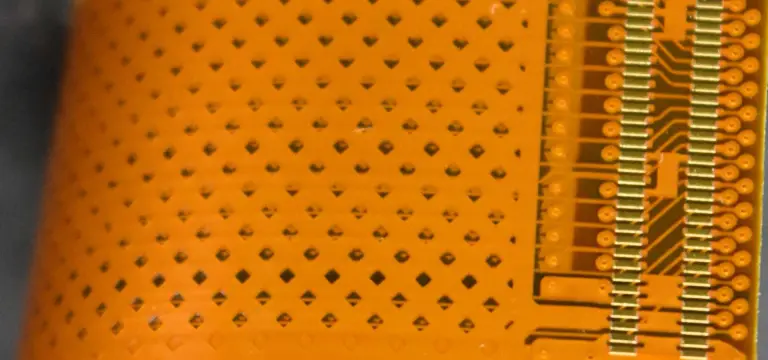
FPC circuit board is also called flexible circuit board, or “flexible board”. In the industry, FPC, is a printed circuit board made of flexible insulating substrate (mainly polyimide or polyester film), which has many advantages that hard printed circuit boards do not have. For example, it can bend, roll, fold, use FPC can greatly reduce the […]

Read article

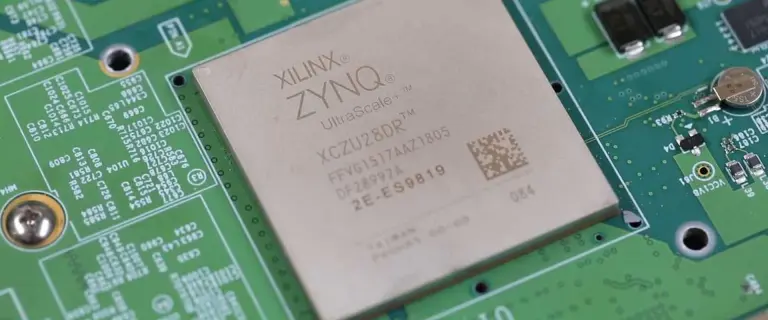
What is Xilinx XCR3064XL-7PC44I FPGA?

Introduction The Xilinx CoolRunner-II XCR3064XL-7PC44I is a low-power CPLD (complex programmable logic device) that provides medium density, performance, and an abundance of I/O in a compact form factor. The XCR3064XL balances logic capacity with low static and dynamic power consumption, making it an excellent fit for a wide variety of embedded applications. In this article, […]

Read article