Month: April 2019

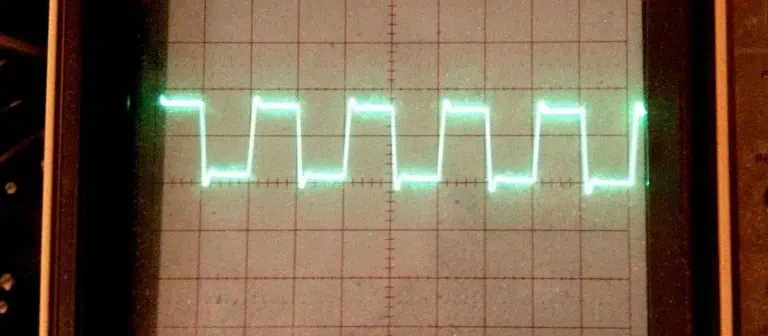
What Circuits are Used to Generate Clock Signals?

Introduction Clock signals are essential timing references used to synchronize and coordinate the operation of digital logic circuits in integrated circuits and electronics systems. A clock waveform oscillates between a high and low logic level at a regular frequency. The transition edges trigger sequential logic state changes and digital computations. Clock signals must exhibit precise […]

Read article
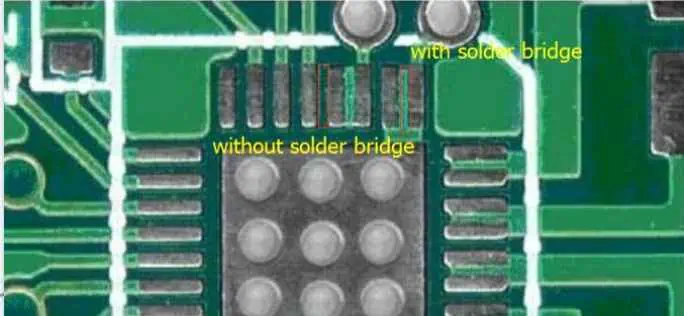
What is the opening shave for soldermask?

RAYPCB · ENGINEERING GUIDESolder Mask Opening Design: Pads, Clearance and RegistrationA solder-mask opening defines where the permanent coating leaves a board surface exposed. Good opening design starts with the copper land, component requirements and mask process, then checks how variations change the remaining clearance. Increasing…

Read article

What is SMT Footprint?

RAYPCB · ENGINEERING GUIDESMT Footprint Checks: Pad Geometry, Pin Mapping and Export ErrorsAn SMT footprint is the board-side representation of a surface-mount component. Its copper lands, mask openings, paste apertures, numbering, outline and courtyard serve different purposes. A visually recognizable package outline is not enough…

Read article

Difference Between Cold welding and Pseudo Soldering

Introduction Joining metal parts is critical in manufacturing across industries including electronics, automotive, aerospace, machinery and more. Soldering is the most common electrical interconnection method used to attach electronic components to printed circuit boards (PCBs). However, emerging direct solid-state joining techniques like cold welding and pseudo-soldering are gaining attention as lead-free solder alternatives. This article […]

Read article

High Thermal Conductivity PCB Material Will Solve The Heat Dissipation Problem

RAYPCB · ENGINEERING GUIDEHigh Thermal Conductivity PCB Materials: Compare the Complete Heat PathHigh thermal conductivity PCB materials can improve a heat path, but conductivity alone cannot select a board. The electrically insulating layer, its thickness, the heat-source area and the connection to the housing can…

Read article

What is Differences Between Fr4 Glassfiber and Aluminum substrate for PCB?

Introduction Printed circuit boards (PCBs) are essential components of modern electronics. A PCB provides mechanical support and electrically connects different components using copper traces etched from copper sheets laminated onto a non-conductive substrate material. The substrate material plays a vital role in determining the performance and characteristics of the PCB. The two most common substrate […]

Read article

What Is The FPC Board Manufacturing Process?

RAYPCB · ENGINEERING GUIDEFPC Lamination Materials: Core, Coverlay and Bonding LayersFPC lamination materials form the permanent electrical and mechanical stack of a flexible circuit. Copper-clad film, coverlay, bondply, stiffener adhesive and shielding film perform different jobs. A reliable material schedule names those jobs and separates…

Read article